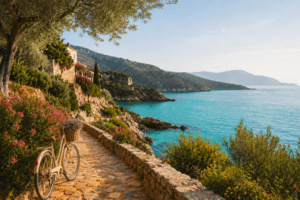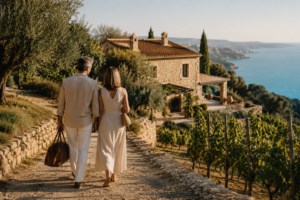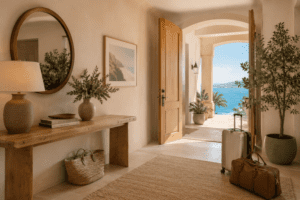

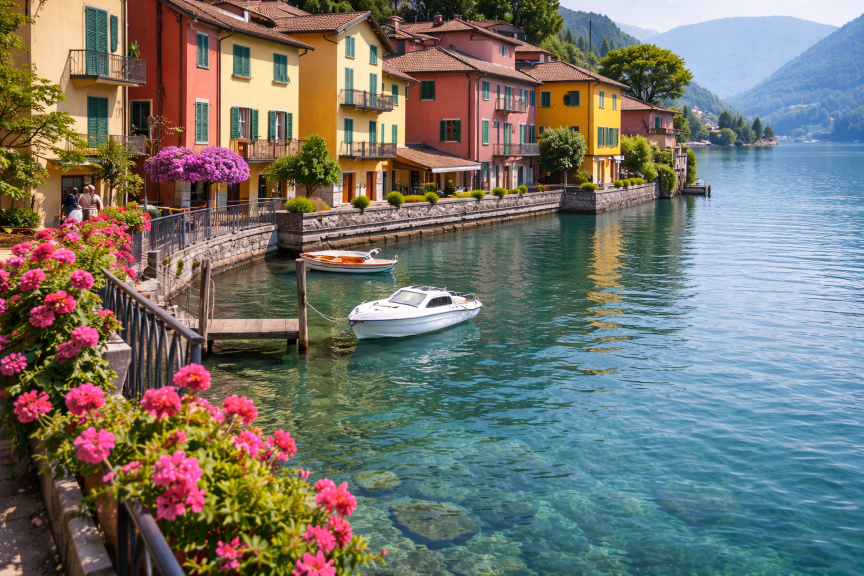
Every well-designed life contains both a framework and a margin. The framework provides the rhythm, the reliable anchors around which everything else is organized. The margin is where the unexpected happens, where the best memories often form, and where the quality of genuine freedom is most clearly felt. The most satisfying lives are those in which these two dimensions are held in balance, neither so rigid that spontaneity is crowded out nor so open that the absence of structure becomes its own form of fatigue.
The hybrid luxury lifestyle, at its most considered, is built around exactly this balance. It is not a choice between the predictability of structure and the pleasure of spontaneity. It is a framework designed to make both available simultaneously, in proportions that can shift as life shifts, and through mechanisms sophisticated enough to deliver on the promise without friction.
What Structure Actually Provides
The value of structure in a hybrid lifestyle is easy to underestimate until you have experienced its absence. For travelers whose lives include demanding professional schedules, family commitments, and the logistical complexity of coordinating across multiple households and time zones, the stress of last-minute booking in competitive luxury markets is not a minor inconvenience. It is a genuine and recurring cost, paid in time, attention, and the particular frustration of wanting to be somewhere and finding the window has closed.
Fractional co-ownership and subscription-based stay programs address this directly. Guaranteed weeks allocated through advance scheduling systems, flexible credit frameworks that allow usage to shift within defined parameters, and professional management teams that handle every dimension of preparation remove the uncertainty that undermines so much otherwise well-intentioned travel planning. The reliability that full ownership once provided exclusively is now accessible through shared models that distribute the financial commitment proportionally.
For families coordinating school calendars, for professionals managing unpredictable project cycles, and for couples navigating competing demands on their time, the structural dimension of the hybrid model is often the feature that makes everything else possible. When the anchor is secure, the margin for spontaneity opens naturally.
Where Spontaneity Lives
Structure is the foundation. Spontaneity is what makes the life built on that foundation genuinely alive.
The most thoughtfully designed hybrid platforms have built flexibility directly into their operating frameworks, recognizing that a model which provides reliable access but no capacity for adjustment does not fit the reality of how contemporary lives actually unfold. Digital tools that allow date swaps, the addition of guests, or pivots to nearby properties within an exchange network give co-owners and members the ability to respond to changing circumstances without losing the quality or the continuity of experience they have structured their travel life around.
This fluidity is particularly valuable for the travelers most drawn to the hybrid model: families whose children’s activities shift seasonally, professionals whose project demands vary unpredictably, and couples whose shared calendar requires ongoing negotiation. The ability to maintain the structure of a committed ownership experience while retaining genuine flexibility within that structure is one of the hybrid model’s most practically valuable and most underappreciated qualities.
Spontaneity in a hybrid lifestyle context is also not limited to schedule adjustments. It lives in the exploratory half of the model, in the curated travel experiences that fill the gaps between returns to a co-owned residence, and in the capacity to follow an interest or an impulse to somewhere entirely new without disrupting the broader architecture of a well-designed travel life. Structure creates the conditions for spontaneity to be genuinely pleasurable rather than anxious, and the hybrid model holds both in productive tension.
The Financial Architecture of Balance
The economic case for the hybrid lifestyle has been made across several articles in this series, but it is worth revisiting in the specific context of balancing structure and spontaneity, because the financial model is what makes the balance practically sustainable.
Hybrid arrangements typically deliver meaningful cost efficiency relative to equivalent time in comparable hotels or luxury rentals, with the savings stemming from the structural dimensions of the model: distributed maintenance and operational costs, professional management that eliminates individual overhead, and the absence of the premium pricing that peak-season availability in competitive markets commands. The financial headroom this creates is not simply a saving. It is what funds the spontaneous dimensions of the hybrid lifestyle, the exploratory travel, the occasional pivot to somewhere unexpected, and the ability to extend a stay when a place proves more rewarding than anticipated.
Tax considerations vary by jurisdiction and individual circumstance, and any buyer evaluating the financial architecture of co-ownership should engage qualified legal and financial counsel specific to their situation. What can be said generally is that the combination of deeded equity, distributed carrying costs, and potential rental income from unoccupied periods creates a financial profile that compares favorably to both sole ownership and purely experiential travel models when examined across a five to ten year horizon.
Choosing the Right Alignment
The most important variable in building a hybrid lifestyle that genuinely works is not the platform, the destination, or the financial structure. It is alignment between the model chosen and the actual shape of the life it is meant to serve.
A co-owned residence in a destination that no longer fits the current chapter of your life, or a scheduling framework that conflicts with how your professional or family commitments are actually structured, will create friction regardless of how well the platform is managed or how beautiful the property is. The hybrid model is flexible enough to accommodate a wide range of life circumstances, but it rewards honest self-assessment about what those circumstances actually are rather than what you imagine they might become.
The practical question is not simply which destination appeals or which ownership structure is most financially efficient. It is which combination of structure and flexibility best matches the rhythm of your life right now, and which allows enough room for that rhythm to evolve. The most successful hybrid lifestyle arrangements are those entered into with clarity about current priorities and genuine openness about how those priorities are likely to shift.
A Maturation of Luxury Values
Cultural observers have noted the shift in how luxury aspiration is expressed across generations, and the hybrid lifestyle sits at the center of that shift. Where earlier definitions of luxury status centered on accumulation, on the size and prestige of what you possessed, contemporary priorities lean toward curation, meaning, and the quality of ongoing experience over the symbolic weight of ownership.
The hybrid lifestyle honors both the freedom to wander and the comfort of return, not as competing values requiring compromise, but as complementary dimensions of a complete and well-designed life. It reflects a maturation of luxury values that is less interested in what impresses others and more interested in what genuinely sustains the person living it.
As work-from-anywhere norms continue to solidify and the structural conditions for genuinely flexible living become more widely available, the hybrid path is poised to define not simply where luxury happens, but how it integrates seamlessly into the texture of everyday existence. For those who have found the balance that works for their particular life, that integration is not a luxury in any conventional sense. It is simply, and completely, how they live.