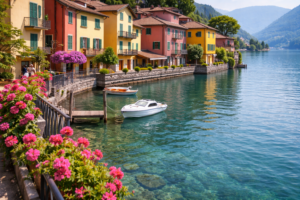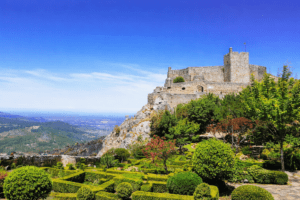


There is a moment that experienced travelers often describe with a particular kind of satisfaction. It arrives not on a first visit to somewhere extraordinary, but on a return. The moment when a city reveals a street you missed the first time. When a landscape looks different in a season you have not seen it in before. When a restaurant owner remembers your name. When the whole apparatus of orientation, the mental effort of learning how a place works, has dissolved, and what remains is simply the place itself.
This is the quality that destination loyalty produces, and it is why an increasing number of the world’s most discerning travelers are choosing to return rather than explore. Not because their curiosity has diminished, but because they have discovered that depth and familiarity offer a form of richness that novelty alone cannot replicate.
The shift from breadth to depth in luxury travel is one of the most significant evolutions in the market in recent years. It is changing how properties cultivate guest relationships, how travel advisors design itineraries, and how ownership models are being structured to support travelers who have found their places and want to inhabit them more fully.
What the Pattern Reveals
The data that high-end travel consortia and booking platforms have been accumulating for several years now tells a consistent story. Repeat visitation to select destinations has climbed steadily across the upper end of the market since the early 2020s. Established luxury destinations, from Aspen to the Amalfi Coast, from certain Caribbean islands to specific alpine villages in Europe, are seeing a growing proportion of their bookings from guests who visit at least twice annually, and often more.
What the data reflects, more than a preference for specific places, is a maturing relationship with travel itself. The travelers driving this pattern are not those for whom luxury is still primarily about impression or accumulation. They are those for whom it has become about quality of experience, and who have learned through their own accumulated travel history that quality of experience tends to deepen with familiarity rather than diminishing.
Returning travelers move through destinations with a ease that first-time visitors simply cannot access. The logistics that consume attention on a first visit have already been resolved. Restaurants are chosen with genuine confidence rather than research. Neighborhoods feel legible. The pace of movement slows in a way that most seasoned travelers find not merely comfortable but actively rewarding. The destination, freed from the demands of orientation, can finally do its best work.
The Emotional Architecture of Familiar Places
The appeal of destination loyalty is practical, but its deepest roots are emotional, and understanding those roots is important for anyone trying to understand why this pattern is as durable as it appears to be.
A destination that has been returned to across years acquires a kind of personal history that no amount of excellent first-time travel can replicate. The staff who have learned your preferences and anticipate them. The local relationships that have developed from repeated contact with the same artisans, restaurateurs, and guides. The particular rhythm of a place in a specific season, known from experience rather than description. These are not luxuries in the conventional sense. They are forms of belonging, and belonging, as the broader arc of the luxury travel market has been demonstrating clearly, is among the most valued and most sought-after qualities available to the most discerning buyers.
The emotional case for destination loyalty is also a case for a certain kind of slowing down. When the effort of discovery is not required, attention becomes available for engagement. Cultural understanding deepens not through deliberate study but through the natural accumulation of repeated observation. A place that was interesting on a first visit becomes genuinely known on a fifth or tenth, and the quality of experience that genuine knowledge enables is categorically different from the quality available to someone for whom everything is still new.
How Ownership Models Have Responded
The alignment between destination loyalty and co-ownership is among the most natural in the luxury property market, and the platforms that have understood this alignment most clearly have built it into the foundations of their offering.
Co-ownership of a property within a preferred destination converts the emotional impulse of loyalty into a structural commitment. Allocated weeks in a professionally managed residence do not simply offer access to a beautiful property. They offer the particular satisfaction of a place that is genuinely yours, in a destination you have chosen deliberately, managed to a standard that ensures every return is as rewarding as the previous one. The sense of arrival rather than orientation that destination loyalty produces in its most developed form is built directly into the co-ownership experience from the first visit.
The financial architecture reinforces the emotional logic. An owner who returns to the same property multiple times each year is extracting genuine value from their investment, experiencing the appreciation of familiarity rather than the diminishing returns of novelty. And the professional management infrastructure that co-ownership platforms provide ensures that the property remains consistently excellent across visits, protecting the quality that makes return visits worth anticipating.
The Balance That Sustains the Model
Destination loyalty is a compelling and well-supported approach to luxury travel, but the most satisfied travelers are those who hold it alongside, rather than in place of, a genuine openness to occasional discovery. The risk of an exclusively loyalty-based travel life is a gradual narrowing of experience that can, over time, begin to feel limiting rather than enriching.
The hybrid lifestyle addresses this balance with particular elegance. A co-owned residence in a beloved destination provides the anchor, the place of genuine belonging that rewards every return and deepens with each visit. Curated travel programs handle the exploratory dimension, offering access to carefully selected new destinations that complement rather than compete with the emotional register of the owned experience. Together, they create a travel life that is neither restlessly novelty-seeking nor rigidly habitual, but genuinely balanced between the two qualities that make travel most rewarding: the pleasure of returning and the pleasure of discovering.
High-end travel advisors have begun designing itineraries around this balance explicitly, structuring programs that mix trusted bases with selective new explorations in proportions calibrated to each client’s specific preferences and life circumstances. The pattern reflects the same broader recalibration that has been reshaping the luxury travel market for several years: less emphasis on volume, greater focus on depth, and a growing recognition that the most satisfying travel life is one designed around what genuinely matters rather than what most impressively accumulates.
A Logical Evolution, Not a Passing Trend
Destination loyalty in luxury travel is not a reaction to anything in particular, and it is not a trend likely to reverse as circumstances change. It is a logical evolution in how thoughtful, experienced travelers relate to the world, reflecting a maturation of priorities that tends to deepen rather than shift with the passage of time.
The places that have earned genuine loyalty from their most discerning visitors are those that have understood this dynamic and responded to it with genuine investment in long-term relationships over transactional hospitality. Properties that cultivate returning guests with the same care they extend to first-time visitors, destinations that develop programs specifically designed for those who have chosen to come back, and travel structures that reward depth of commitment over breadth of coverage are all expressions of the same underlying understanding.
Luxury, at its most evolved, is not measured by how many places you have been. It is measured by how fully you have inhabited the ones that matter most.