
The most interesting co-ownership opportunities in 2026 are not in the places you have already heard about. They are in the places that reward those who look a little further, think a little more carefully, and are willing to trade the familiarity of a known name for the considerably greater reward of genuine discovery.
The era of the obvious luxury destination is not over, but it is maturing in ways that are changing what the most discerning buyers find compelling. Saturated markets offer diminishing returns on both the experiential and financial dimensions of co-ownership. The properties in the most recognized destinations are well priced for what they are, the infrastructure is well established, and the sense of exclusive discovery has, in many cases, been worn away by the volume of interest they attract. The real opportunity, for buyers who know where to look, lies elsewhere.
A new generation of destinations is quietly accumulating the qualities that make co-ownership genuinely worthwhile: natural beauty that has not been overexposed, cultural depth that rewards return visits, improving infrastructure that enhances accessibility without sacrificing exclusivity, and local planning environments that support thoughtful development over mass tourism. These are the places gaining momentum in 2026, and the window for entering them at their most compelling moment is open now.
Montenegro’s Bay of Kotor: European Grandeur Without the Crowds
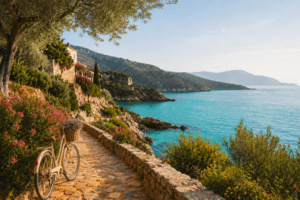
Montenegro has been one of Europe’s most quietly compelling stories for several years, and the Bay of Kotor has emerged as its most sophisticated co-ownership destination. Medieval walled towns, dramatic karst mountains descending directly to the Adriatic, and a cultural heritage that spans Venetian, Ottoman, and Slavic influences create a setting of extraordinary richness that bears almost no resemblance to the more familiar Adriatic coastlines further north.
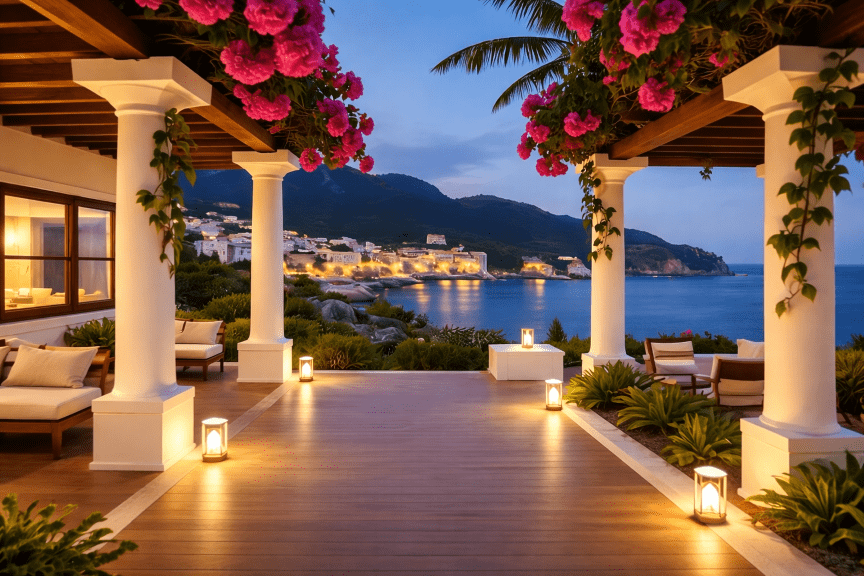
Co-ownership developments in the region have responded to the landscape with properties of genuine architectural ambition: stone-built residences with private terraces overlooking the bay, yacht access to islands and coves that remain genuinely undiscovered by mass tourism, and wellness facilities designed to complement rather than compete with the natural environment. Infrastructure investment has accelerated meaningfully, with improved air connections to major European hubs making the bay accessible for the kind of shorter, more frequent visits that the hybrid lifestyle depends upon.
For buyers evaluating long-term value, Montenegro’s EU accession trajectory adds a dimension that few comparable emerging destinations can offer. The regulatory and economic convergence this implies has historically been a reliable driver of property appreciation in the region’s predecessors, and the bay’s combination of protected natural landscape and carefully managed development density positions it well for the years ahead.
Comporta, Portugal: Atlantic Serenity South of Lisbon
While the Alentejo has attracted well-deserved attention, the coastal stretch around Comporta, approximately ninety minutes south of Lisbon, has been developing a co-ownership market of its own that deserves equal consideration. Pine forests meeting Atlantic beaches of exceptional width and quality, a low-rise architectural tradition that has been carefully protected by local planning policy, and a creative community that has made the area a discreet favorite of European buyers with refined taste define a destination that remains far less known than its qualities warrant.
Fractional residences here reflect the landscape’s character: understated, sustainable, and built with materials and proportions that feel native to their setting. The proximity to Lisbon, one of Europe’s most culturally and economically dynamic cities, provides a connection to urban life and international transport that many comparable coastal destinations lack. And the local planning environment, which has actively resisted the large resort developments that have diminished comparable coastlines elsewhere in southern Europe, provides a structural protection for the quality that makes the destination appealing in the first place.
For buyers drawn to the hybrid lifestyle, Comporta offers something that is increasingly difficult to find on the European Atlantic coast: genuine natural beauty, at an accessible distance from a major hub, in a destination whose character is actively protected rather than passively hoped for.
Istria, Croatia: Mediterranean Sophistication With Central European Depth
Croatia’s Dalmatian coast has become one of Europe’s most visited summer destinations, but the Istrian peninsula in the country’s northwest occupies a distinctly different position in the market. Hilltop medieval towns, truffle forests, exceptional local viticulture, and an Adriatic coastline that combines the clarity of Croatian waters with the architectural character of a region that was shaped by Venetian, Austro-Hungarian, and Italian influences across centuries create a destination of unusual layered richness.
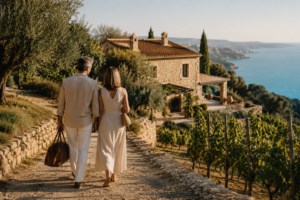
Co-ownership developments in Istria have been shaped by the peninsula’s emphasis on quality over volume. Properties here tend toward the intimate and the architecturally considered: restored stone farmhouses with contemporary interiors, boutique coastal residences with private sea access, and estate properties embedded in working agricultural landscapes that provide both the beauty of the setting and a genuine connection to local production. Truffle hunting, private winery visits, and the kind of culinary culture that has made Istria a destination for serious food travelers from across Europe give owners a depth of experience that rewards repeated returns.
Improved connectivity through Pula and Rijeka airports, combined with the ease of access from northern Italy and Austria by road or rail, has made Istria one of the more practically accessible emerging co-ownership destinations in Europe. And Croatia’s EU membership provides the legal and regulatory framework that gives international buyers genuine confidence in their ownership structures.
Georgia’s Black Sea Coast: Europe’s Most Intriguing Emerging Market
For buyers willing to look beyond the familiar boundaries of the European luxury property market, Georgia’s Black Sea coastline represents one of the most genuinely interesting emerging co-ownership opportunities available in 2026. The region around Batumi and the broader Adjara coast combines subtropical landscapes, a millennia-old wine culture, extraordinary culinary traditions, and a warmth of welcome that makes a powerful impression on first-time visitors.
Infrastructure development has been substantial and sustained, with improved international air connections, upgraded coastal roads, and a growing ecosystem of design-led hospitality development that has attracted serious attention from international property investors. The Georgian government’s consistent commitment to economic openness and foreign investment protection provides a regulatory environment that is more transparent and more favorable to international buyers than many comparable emerging markets.
Co-ownership developments in the region are at an early stage of maturity, which is precisely where the most significant appreciation potential tends to reside. Properties that combine the Black Sea setting with the region’s architectural heritage and natural landscape are drawing buyers who understand that the window for entering at the most compelling point in a destination’s development arc does not remain open indefinitely.
What These Destinations Share
Beyond their individual qualities, the destinations gaining co-ownership momentum in 2026 share a set of structural characteristics that are worth understanding clearly, because they define what makes an emerging market genuinely worth the attention of a sophisticated buyer.
Each benefits from a local planning environment that actively supports thoughtful, lower-density development over mass tourism. Each is experiencing infrastructure improvement that enhances accessibility without eroding exclusivity. Each sits at a point in its development trajectory where international awareness is growing but has not yet reached the level that compresses appreciation potential and crowds out the sense of genuine discovery. And each rewards the kind of repeated, deepening visits that the hybrid lifestyle is built around, becoming more personally meaningful with every return.
For buyers who understand that the most rewarding co-ownership investments are found in destinations that are still in the process of becoming fully themselves, these are the places worth watching, and owning, now.